The Year 2000 Problem
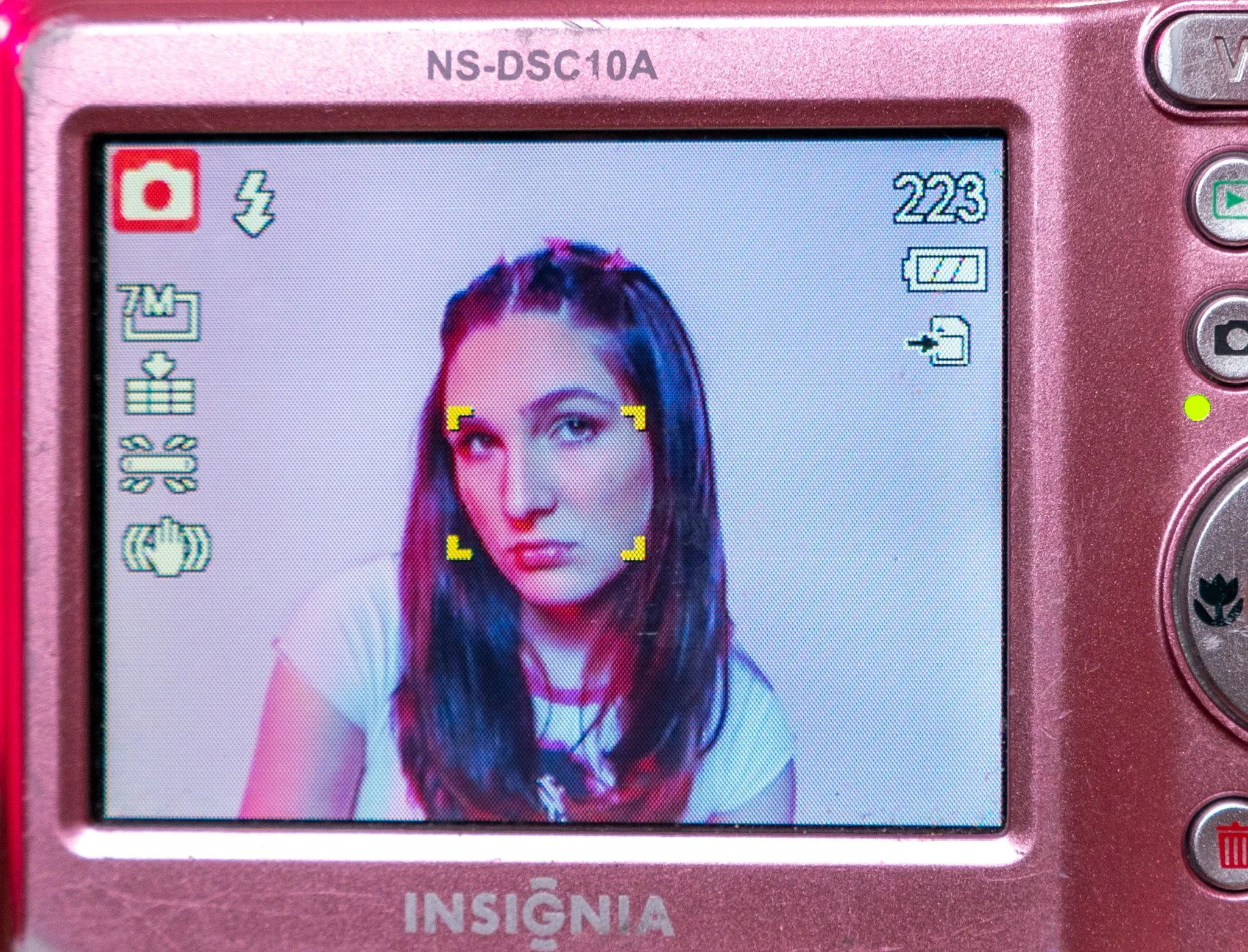
Photo by Spencer Mulvaney
When computer programs were first being developed in the 1960s, software engineers used two digits to code dates— 1973 was just ‘73, 1999 was just ‘99. Data storage was expensive, and short-handing dates was an easy way for engineers to cut costs. By the ‘90s, computer engineers began to worry that computer systems would not be able to understand the year 2000; computers would process the year as 1900, and all systems that were programmed on a daily or yearly basis would malfunction as a result. This became known as the Year 2000 Problem.
Banks, power plants, flights, nuclear facilities… Some of the world’s most integral and impactful sectors were controlled by technology that was programmed by the day or year. Everything from the economy to transport to government relied on computers, and system failures were predicted to have devastating and unpredictable consequences. Government files could be lost, prison gates could swing open, thousands of dollars could be transferred out of bank accounts; the Year 2000 Problem had the potential to trigger a global apocalypse.
And so it was treated as such. In the days leading up to the turn of the millennium, people hoarded food, withdrew large sums of cash, and created survival kits. On New Year’s eve, 1999, the world waited anxiously for the apocalypse to begin…
But nothing happened.
Amidst the panic, software engineers and information technologists had worked tirelessly to fix the problem; some efforts began as early as the 80s. The internet apocalypse was avoided due to widespread preventative efforts, public awareness, and a large allocation of government funds towards the issue— the same measures that could prevent the climate “apocalypse”.
A modern take on Y2K, cybercore, and futurism aesthetics, MadewithCare’s second issue envisions a solution for our future by revisiting our past. What looks familiar? What’s changed? How was the apocalypse stopped then?
Can it be stopped now?